Never Trust a Man Who Doesn’t Like Cat: A Thoughtful Look at This Popular Design Concept
“Never Trust a Man Who Doesn’t Like Cat” is more than a witty phrase—it’s a cultural shorthand rooted in shared affection for feline companionship, independence, and quiet authenticity. Unlike generic pet-themed slogans, this statement carries subtle irony, gentle judgment, and a dash of personality-driven confidence. It resonates particularly with adults aged 20–50 who value expressive, low-key humor in their everyday items—whether worn on a t-shirt, displayed on a mug, or printed on a pillow. The phrase works because it’s specific enough to spark recognition, yet open-ended enough to invite interpretation: it’s not about literal distrust, but about alignment in values like empathy, observation, and appreciation for quiet complexity.
What Makes This Design Distinct Beyond the Phrase?
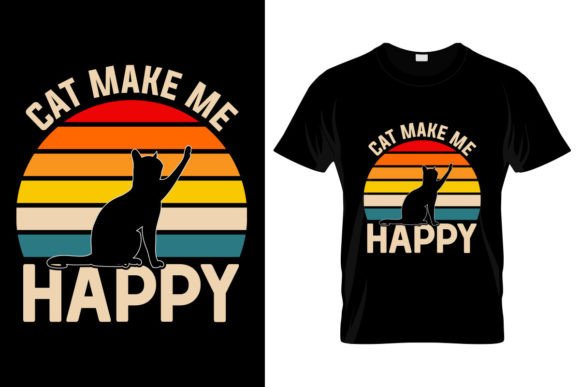
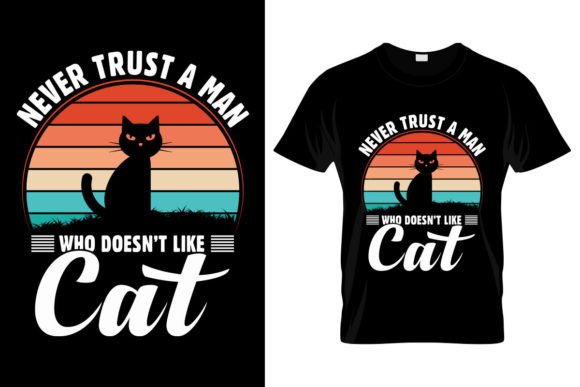
The strength of Never Trust a Man Who Doesn’t Like Cat lies not just in its wording—but in how it’s executed visually. A well-crafted version balances typography, spacing, and tone to avoid sounding aggressive or exclusionary. The most effective iterations use clean, legible fonts—often with subtle vintage or retro cues—without overloading the composition with illustrations. Some versions include minimalist cat silhouettes; others rely entirely on text, letting the phrase carry the weight. This flexibility makes it adaptable across products: a crisp black-and-white rendering reads clearly on a dark hoodie, while a high-contrast print holds up on ceramic mugs or textured throw pillows.
Unlike broader “cat lover” designs that lean into cuteness or kitsch, Never Trust a Man Who Doesn’t Like Cat occupies a more nuanced space—neither overly sentimental nor sarcastic. It avoids infantilizing the subject, which helps it appeal across genders and age groups. That tonal balance is why it performs well in print-on-demand contexts, where buyers often seek apparel or home goods that feel intentional rather than trend-chasing.
File Formats Matter—Here’s How They Support Real-World Use
When evaluating a design like Never Trust a Man Who Doesn’t Like Cat, file format compatibility directly affects usability across platforms and production methods. The package described—including PNG (4500×5400 px, 300 dpi, transparent background), EPS, JPG, AI, and PDF—covers most common needs without redundancy.
- PNG: Ideal for direct upload to print-on-demand services (e.g., Printful, Redbubble, Teespring) where transparency and resolution are critical for clean t-shirt or hoodie prints.
- EPS & AI: Vector formats essential for scaling without quality loss—especially useful if you plan to resize for large-format applications like posters or custom signage.
- PDF: A reliable, universally viewable format for proofing, sharing with printers, or embedding into KDP interior layouts (e.g., lined journals or low-content notebooks).
- JPG: Practical for quick previews, social media mockups, or internal reference—though not recommended for final print due to lack of transparency and compression artifacts.
Compressing all files into a single ZIP archive streamlines distribution and download management. Users need only standard tools like WinRAR or 7-Zip to extract—no specialized software required. This approach lowers the barrier to entry, especially for creators new to graphic assets or those managing multiple product lines.
Where This Design Fits—and Where It Might Not
Never Trust a Man Who Doesn’t Like Cat excels in contexts where clarity, tone, and versatility matter. It suits apparel brands targeting urban professionals, educators, librarians, or creative freelancers—audiences who respond to dry wit and understated confidence. On a unisex crewneck or oversized sweatshirt, it reads as quietly confident, not confrontational. On a ceramic mug used daily in an office kitchen or home studio, it invites light conversation—not debate.
That said, it may not be the best fit for every application. For example:
- Kids’ clothing or school merchandise: The phrasing could be misread as prescriptive or judgmental without context—better suited to adult-oriented spaces.
- Corporate gifting or formal branding: Its informal, opinionated voice sits outside typical brand guidelines unless the organization already embraces irreverent, personality-led communication.
- Markets prioritizing inclusivity-first language: While the phrase is widely understood as playful, some readers may prefer alternatives that center care or curiosity (“People Who Understand Cats Tend to Listen Well”)—especially in therapeutic, educational, or wellness-adjacent settings.
It also differs from purely aesthetic cat designs—like watercolor cats, paw prints, or cartoon motifs—which prioritize visual charm over linguistic nuance. If your goal is broad visual appeal across demographics, those alternatives may offer wider reach. But if your audience values cleverness, specificity, and conversational resonance, Never Trust a Man Who Doesn’t Like Cat stands out precisely because it doesn’t try to please everyone.
Practical Considerations for Creators and Resellers
For designers building a catalog—or entrepreneurs launching a POD store—the decision to include Never Trust a Man Who Doesn’t Like Cat hinges on alignment with existing themes, audience expectations, and seasonal relevance. It performs consistently year-round, unlike holiday-specific designs, and pairs naturally with complementary pieces: “Cats > People” shirts, minimalist paw-print socks, or “I Work Better After My Cat Approves” notebooks.
From a production standpoint, the included file suite supports both digital and physical workflows. You can import the AI file into Cricut Design Space for vinyl cutting (hoodies, tote bags), use the EPS for embroidery digitizing, or drop the PNG straight into Canva for social ads. No reformatting or costly conversions are needed—reducing time-to-market and minimizing technical friction.
Still, creators should consider licensing and originality. While the phrase itself falls under common expression (and thus isn’t copyrightable), the specific typographic treatment, layout, and stylistic choices *are* protectable. Using a professionally prepared version—like the one described—ensures legal safety and visual consistency, especially when scaling across multiple SKUs or platforms.
Making an Informed Choice
Ultimately, Never Trust a Man Who Doesn’t Like Cat is a design choice rooted in resonance, not randomness. It works best when matched with audiences who appreciate subtlety, share cultural touchpoints around pet companionship, and favor apparel and accessories that reflect identity without shouting. It’s not the loudest option in the marketplace—but it’s among the most memorable for the right viewer.
If your goals include building a cohesive, personality-driven collection—or expanding into niches like retro typography, vintage-inspired apparel, or cat-themed lifestyle goods—this design offers strong thematic continuity and practical flexibility. But if your focus is mass-market appeal, neutral messaging, or highly visual storytelling, exploring adjacent concepts—like illustrated cat portraits, bilingual cat phrases, or science-based cat facts—may better serve your objectives.
There’s no universal “best” design—only what fits your audience, platform, and purpose. With its balanced tone, versatile file set, and clear point of view, Never Trust a Man Who Doesn’t Like Cat remains a thoughtful, usable, and quietly distinctive option for creators who value both meaning and mechanics.