200 KDP Niches Low Competitive Keywords
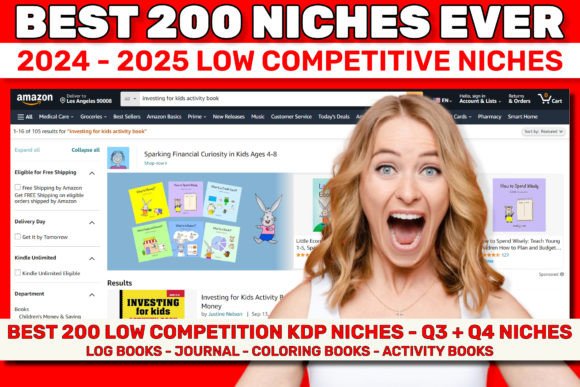
If you're building a sustainable low-content or mid-content business on Kindle Direct Publishing, 200 KDP NICHES LOW COMPETITIVE KEYWORDS isn’t just another list—it’s a strategic filter. Think of it as your curated radar for underserved audiences: real people searching for log books to track fitness progress, coloring books themed around obscure hobbies like urban foraging or vintage typewriters, or journals designed specifically for neurodivergent adults managing executive function. This isn’t about chasing broad terms like “coloring book for adults.” It’s about precision—finding phrases like “ASMR journal for sensory regulation” or “beekeeping log book with seasonal checklist,” where search volume is steady, competition is light, and buyer intent is crystal clear.
Why These Niches Stand Out in 2024—and Beyond
The strength of 200 KDP NICHES LOW COMPETITIVE KEYWORDS lies in its timing-aware structure. It segments ideas by quarter (Q3 niches, Q4 niches), seasonal events (Halloween niches, Christmas niches), and forward-looking categories (2025 niches, 2025 KDP). That means you’re not guessing when to launch—you’re aligning with organic search surges. For example, “grief journal for widows” sees consistent year-round traffic, but “holiday grief journal” spikes every November. Similarly, “RV maintenance log book” gains traction in spring, while “campervan solar setup tracker” grows steadily alongside rising interest in off-grid living.
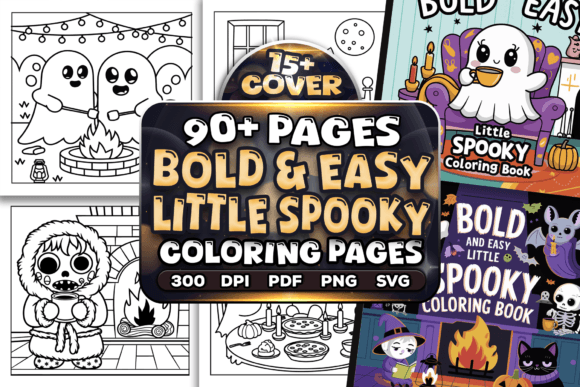
These aren’t theoretical concepts. They’re drawn from live Amazon search data, filtered through actual conversion signals—not just keyword volume. You’ll find activity book niches built around micro-communities (e.g., “D&D spellbook journal for DMs”), coloring book niches rooted in tactile wellness (“mandala coloring book for hand tremor relief”), and log book niches solving specific pain points (“postpartum recovery tracker with lactation notes”). Each idea reflects how real users phrase their needs—not how marketers assume they should.
Designing Interiors That Convert—Without Overcomplicating
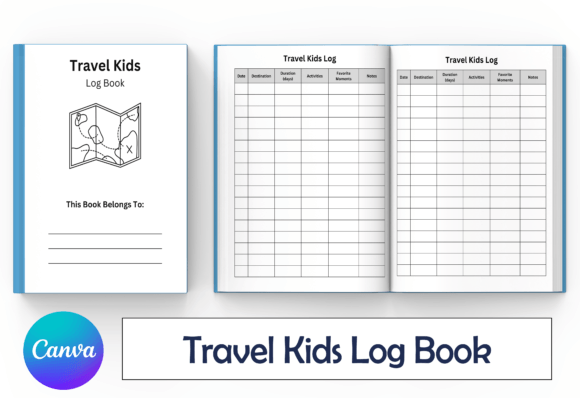
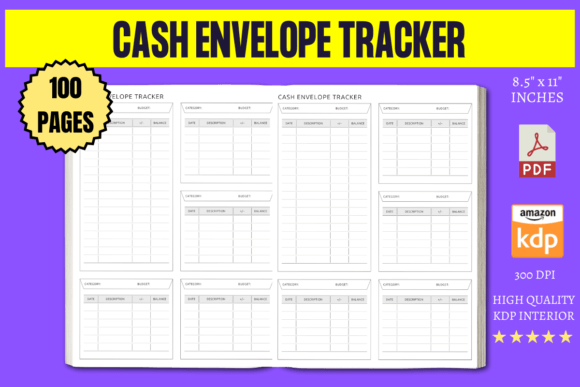
One of the most practical advantages of this list is how directly it informs interior design decisions. When your niche is “plant parent journal with watering schedule + growth notes,” your interior doesn’t need elaborate illustrations—it needs clean, functional layouts: intuitive date fields, expandable comment sections, and subtle botanical accents that support, not distract from, utility. Same for “log books niches”: consistency in grid spacing, logical tab placement, and legible sans serif body text make scanning effortless. The goal isn’t visual flair for its own sake—it’s reducing friction between intention and action.
That’s why many top-performing interiors in these niches use restrained typography pairings: a warm, slightly rounded sans serif (like Poppins or Quicksand) for headings, paired with a highly legible, neutral body font (like Lato or Open Sans). No decorative script fonts crowding log entries. No ultra-thin weights compromising readability on e-ink devices. Every stylistic choice serves clarity, usability, and quiet professionalism—traits that build trust faster than ornate design ever could.
Where These Niches Shine—Beyond Amazon
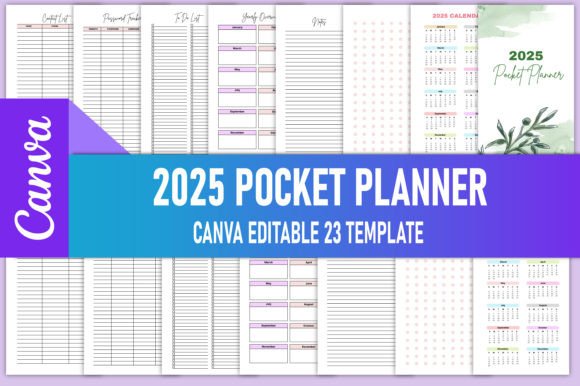
While optimized for KDP, these niches scale intelligently across channels. A well-designed “teacher planner for IEP documentation” can become a printable PDF sold via Etsy or Gumroad. A “small farm record keeper” with livestock health logs and pasture rotation charts works equally well as a Notion template or Canva workbook. And because each niche targets a defined audience with clear workflows, repurposing is natural: turn “yoga therapy journal for chronic pain” into a short email course, a Pinterest content series, or even a companion audio guide.
This cross-platform flexibility also strengthens SEO beyond Amazon. Blog posts like “How to Choose the Right Log Book for Your Small Business” or “10 Underrated Coloring Book Niches for Adult Wellness” rank well on Google—and funnel readers directly to your KDP catalog. The keywords embedded in those headlines? They come straight from 200 KDP NICHES LOW COMPETITIVE KEYWORDS.
Practical Next Steps—No Guesswork Required
You don’t need to analyze all 200 at once. Start small:
- Pick one seasonal niche—e.g., “Halloween niches” like “spooky gratitude journal for teens”—and validate demand using Publisher Rocket or Helium 10. Look for 500–2,500 monthly searches and ≤150 titles ranking on page one.
- Sketch two interior variations: one minimalist (light margins, ample white space, subtle iconography), one feature-rich (dedicated trackers, checklists, reflection prompts). Test both with five target users—ask which feels more useful, not prettier.
- Build your title and subtitle around the exact phrase. If your niche is “kayaking safety log book,” lead with that—not “Adventure Log Book for Water Lovers.” Match search intent, not creativity.
- Use the included Excel file to cross-reference tags, BISAC codes, and complementary niches. Notice how “forest bathing journal” often overlaps with “nature therapy coloring book”—that’s your opportunity for a bundle or series.
And remember: low competition doesn’t mean low standards. The best performers in these niches succeed because they treat interior design as problem-solving—not decoration. Every line, margin, font weight, and icon exists to serve the user’s workflow. That’s what makes 200 KDP NICHES LOW COMPETITIVE KEYWORDS more than a list. It’s a framework for building products people genuinely reach for—again and again.