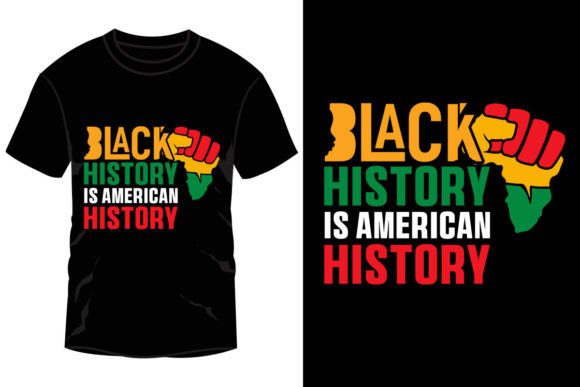
Black History Month: Meaningful Design Choices That Honor, Not Exploit
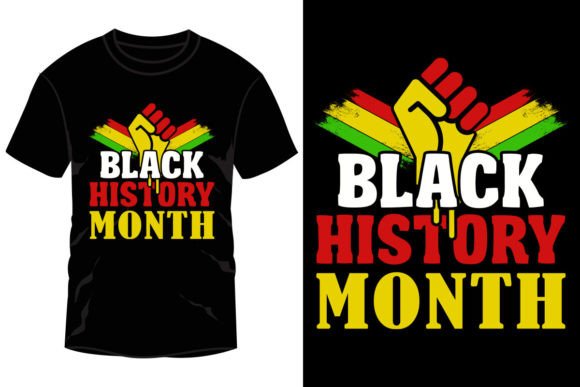
Black History Month is more than a calendar observance—it’s a vital opportunity to reflect, educate, and celebrate the resilience, creativity, and enduring contributions of Black individuals and communities across generations. When you choose a Black History Month t-shirt design—or apply it to a hoodie, mug, pillow, or poster—you’re not just selecting a visual. You’re making a statement about respect, accuracy, and intentionality. That’s why thoughtful design selection matters deeply—not just for aesthetics, but for authenticity and impact.
Why People Seek Black History Month Designs—and Where Intent Can Slip
Many creators, educators, small business owners, and community organizers turn to Black History Month designs to spark conversation, support classroom learning, launch inclusive merch lines, or commemorate local events. That’s powerful—and necessary. But too often, well-meaning efforts fall short because the design itself lacks historical grounding, cultural sensitivity, or technical readiness for real-world use.
For example, a popular mistake is downloading a low-resolution JPEG found on an unverified free image site—then printing it on a 100% cotton tee only to discover the text blurs, colors shift, or fine details vanish entirely. Or worse: using a generic silhouette with no attribution, misrepresenting historical figures, or applying outdated typography that unintentionally evokes caricature rather than reverence.
These oversights don’t just reduce visual quality—they risk miscommunicating values. A poorly executed design can dilute the message of Black History Month, distract from its purpose, or even cause unintended offense—especially when shared publicly or sold commercially.
What “Print-Ready” Really Means (and Why It Matters)
When a Black History Month design promises versatility—“works on t-shirts, hoodies, mugs, pillows”—that claim only holds if the files meet industry standards. Look beyond marketing language. Check what’s actually included:
- PNG File (4500×5400 px, 300 dpi, transparent background): This is your go-to for high-quality apparel and product mockups. The resolution ensures crisp detail at full print size; transparency lets you layer it cleanly over any color fabric or surface.
- EPS & AI Files: Vector formats mean infinite scalability—no pixelation when enlarging for posters or banners. Essential for professional screen printing or embroidery digitizing.
- PDF & JPG Files: PDF preserves fonts and layout integrity for proofing and KDP interiors; JPG works for quick digital previews—but never for final print.
Avoid bundles that offer only one low-res PNG or lack vector options. If you plan to scale the design across multiple products—or adapt it for different platforms like Canva, Adobe Express, or Printful—you need flexibility built in, not workarounds.
Design Integrity Starts With Context
Not all Black History Month designs carry equal weight. Typography, symbolism, color choices, and figure representation all communicate meaning—whether intended or not. A vintage-style serif font might evoke early 20th-century civil rights pamphlets, while bold sans-serif lettering could signal modern activism. But slapping “Black History Month” in a distressed grunge font over a faded American flag? That risks conflating struggle with national nostalgia without nuance.
Better approach: Choose designs rooted in verified history—not trends. Look for subtle nods—like the Pan-African colors (red, black, green), references to specific milestones (1963 March on Washington, 1920s Harlem Renaissance), or portraits rendered with dignity and sourced ethically. If a design features a quote, verify its origin. If it includes a historical figure, confirm spelling, era-appropriate attire, and respectful depiction.
Practical Checks Before You Download or Buy
Before adding any Black History Month design to your cart—or uploading it to your POD dashboard—ask yourself these five questions:
- Is the file structure clear and complete? You should receive a ZIP folder containing all six formats—not just one or two “bonus” files buried in subfolders.
- Can I preview the transparent PNG against dark and light backgrounds? Test it on mockups of black tees and white mugs. If edges bleed or shadows look unnatural, the transparency wasn’t properly flattened.
- Does the vector file open cleanly in Illustrator or Inkscape? Corrupted EPS/AI files often show missing fonts or broken paths—hard to fix without design experience.
- Are licensing terms explicit? Most commercial-use licenses allow POD sales, but double-check restrictions on resale as editable templates or inclusion in subscription bundles.
- Does the creator provide context? Reputable designers include brief notes on inspiration, historical touchpoints, or suggested usage—signs of care, not just convenience.
Real-World Use: From Classroom to Commerce
An educator ordering 30 Black History Month t-shirts for a student-led assembly needs durability and clarity—not just a trendy graphic. A freelancer designing a limited-run hoodie line for a local NAACP chapter needs scalable vectors and Pantone-matched colors for consistent dyeing. A blogger creating a printable journal cover wants layered PDFs that retain typography integrity on textured paper.
In each case, the right file format isn’t optional—it’s foundational. That 4500×5400 PNG isn’t overkill; it’s insurance against blurry sleeves. The EPS isn’t “just for pros”—it’s what keeps your mug logo sharp after 500 dishwasher cycles. And the ZIP delivery? It’s not bureaucracy—it’s efficiency. One extraction replaces hours of manual resizing, background removal, or font substitution.
Choosing With Care Supports the Bigger Picture
Supporting thoughtful, historically grounded Black History Month design goes beyond aesthetics. It signals alignment with values of accuracy, equity, and long-term impact. When you prioritize print-ready files, ethical representation, and transparent licensing, you invest in outcomes that last—whether it’s a child proudly wearing a shirt with correctly spelled names of abolitionists, a small business earning trust through authentic merch, or a community center launching a campaign anchored in truth.
So before you click “download,” pause—not to hesitate, but to honor. Choose files that serve your purpose *and* the moment. Because Black History Month deserves more than visibility. It deserves precision, respect, and the kind of craftsmanship that makes every detail matter.