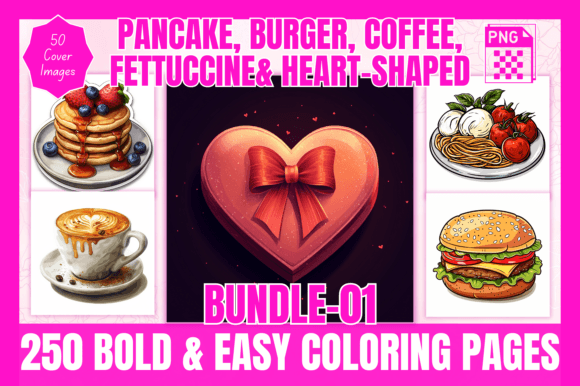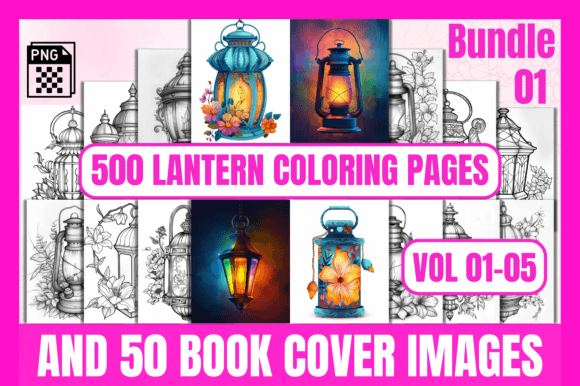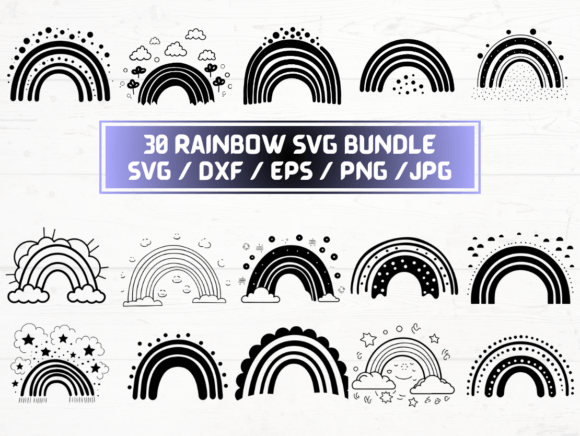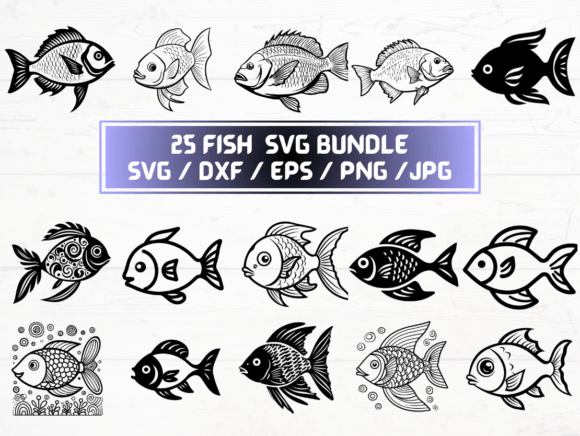
Tshirt Bundle Illustrations
For creators building brands, launching products, or scaling design workflows, Tshirt Bundle Illustrations isn’t just another collection of graphics—it’s a strategic asset. Think of it as pre-vetted creative infrastructure: high-resolution, production-ready files designed to reduce friction between idea and execution. Whether you’re launching a limited-edition apparel line, designing merch for an online course, or producing cohesive visual assets for a client campaign, this bundle delivers consistency, flexibility, and technical reliability—without requiring custom illustration time or licensing negotiations.
Why Technical Readiness Matters More Than You Think
Many designers underestimate how much time is lost troubleshooting resolution mismatches, color shifts in print, or file compatibility across platforms. A 300 DPI output isn’t just a spec—it’s a guarantee that your hoodie mockup won’t pixelate at retail size, your sublimation transfer holds crisp detail on ceramic mugs, and your KDP interior layout renders cleanly on both screen and press. With Tshirt Bundle Illustrations, every SVG, EPS, AI, PSD, PNG, and JPG is built to that standard—not upscaled, not approximated. The 10,000 PX PNG and JPG files mean you can confidently enlarge designs for large-format canvas prints or billboard mockups without interpolation artifacts. That level of fidelity directly supports brand integrity: customers notice when edges are soft, gradients band, or text becomes illegible. Consistency builds trust; inconsistency erodes it.
Strategic Use Across Real-World Workflows
The value of Tshirt Bundle Illustrations emerges most clearly when matched to specific operational needs—not just aesthetic ones. Here’s how seasoned creators deploy it intentionally:
- Print-on-Demand (POD) entrepreneurs use the SVG and EPS files to auto-generate variants across platforms like Printful or Gelato. Because vector formats scale infinitely, one design adapts seamlessly to t-shirts, hoodies, tote bags, and phone cases—no manual resizing or quality checks needed.
- Freelance graphic designers integrate the PSD background files into layered comps for client presentations. Rather than building textures from scratch, they drop in a professionally crafted watercolor or double-exposure base—then overlay typography or branding elements with full layer control.
- Educators and course creators repurpose the abstract and vector-based illustrations as visual anchors in slide decks, worksheets, or ebook interiors. The clean lines and intentional negative space support readability—even at small sizes—while avoiding copyright concerns tied to stock photo sites.
- Small business owners launching physical products rely on the AI and SVG files for cut-machine prep (Cricut, Silhouette). No tracing, no vectorization software required—the paths are already optimized, with clean anchor points and consistent stroke weights.
This isn’t about replacing skill—it’s about redirecting energy. Time spent converting low-res JPEGs to vectors or adjusting color profiles for CMYK output is time not spent refining messaging, testing market response, or engaging customers.
What to Consider Before You Download
Even premium assets require intentionality. Blindly applying Tshirt Bundle Illustrations without alignment to your goals risks misfit—not mismatch. Ask yourself:
- Does this support a defined outcome? If your goal is brand recognition, prioritize illustrations with strong silhouette value and limited palette options—those translate better across mediums and resonate faster visually.
- Is your production pipeline ready? Having an AI file means little if your team lacks Illustrator access or training. Confirm software access, version compatibility (e.g., AI CC 2020+), and internal capacity to edit layers or adjust swatches before committing.
- How does this fit your audience’s visual language? A watercolor-themed illustration may strengthen emotional connection for wellness brands but feel incongruent with fintech or industrial B2B positioning. Match tone, not just technique.
- What’s your revision threshold? These are digital downloads—not editable subscriptions. While the PSD allows background manipulation, the core illustrations aren’t modular by default. Plan for minor tweaks (color swaps, cropping, layer blending), not structural overhauls.
Without those considerations, even watermark-free, 10,000 PX files become shelfware—downloaded, opened once, then buried under newer distractions.
Avoiding the “Just in Case” Trap
It’s tempting to treat Tshirt Bundle Illustrations as insurance: “I’ll grab it now and use it later.” But design decisions compound. Unused assets clutter digital libraries, dilute focus during creative sprints, and delay real progress. Instead, adopt a “design sprint first” approach: define your next tangible output (e.g., “five t-shirt designs for summer launch”), then select only the illustrations that serve that exact scope. Filter by theme (abstract, double exposure, watercolor), format (vector for scalability, PSD for texture depth), or color mode (RGB for digital, CMYK-ready variants where applicable). This keeps usage purpose-driven—not passive.
Long-Term Value Beyond the First Project
The strongest ROI from Tshirt Bundle Illustrations comes not from single-use application, but from systematization. Teams that build style guides around its palette ranges, establish naming conventions for modified files (“TshirtBundle_Abstract_Blue_v2.ai”), or create internal templates using its PSD backgrounds report faster turnaround on repeat projects—sometimes cutting design-to-print cycles by 40%. One small publisher uses the vector illustrations as base elements for chapter headers across 12+ KDP titles, ensuring visual continuity without redesigning each time. Another educator recombines the double-exposure files with student-submitted photos for personalized certificates—leveraging the bundle’s technical flexibility to deepen engagement.
That kind of reuse isn’t accidental. It requires documenting how each file type functions in your ecosystem: which formats work natively in Canva vs. Figma, which PNGs include transparent backgrounds (critical for sticker sheets), and which EPS files retain editable text (for quick localization). Treat the bundle as infrastructure—not decoration—and document your findings internally.
Final Thought: Precision Over Plenty
There’s no inherent advantage in owning 500 illustrations if only 12 align with your voice, audience, and delivery channels. Tshirt Bundle Illustrations earns its place when used as a lever—not a library. Its watermark-free status, multi-format structure, and production-grade resolution remove common blockers. But the real leverage comes from deliberate selection, contextual adaptation, and integration into repeatable workflows. When you choose one illustration because it solves a specific problem—not because it’s available—you shift from consuming design to practicing design strategy. That’s where lasting differentiation begins.